What are web APIs and why are they important in IOT?
By: Web Desk | Feb 10, 2025
The Internet of Things (IoT) connects hardware and software devices, enabling them to communicate over the Internet. This network depends on two core technologies: cloud computing and web APIs. You've probably heard of the cloud, with its many service providers, but web APIs might be a new concept.
From the dawn of computing, APIs have played a crucial role, underpinning the functionality of virtually every business application. Essentially, they establish communication standards that simplify how programs interact and access each other's capabilities.
In the days before the internet became ubiquitous, APIs played a more localized role. They enabled programs within the same network to readily exchange data and access each other's functions. However, communication with applications residing on different networks was a complex undertaking.
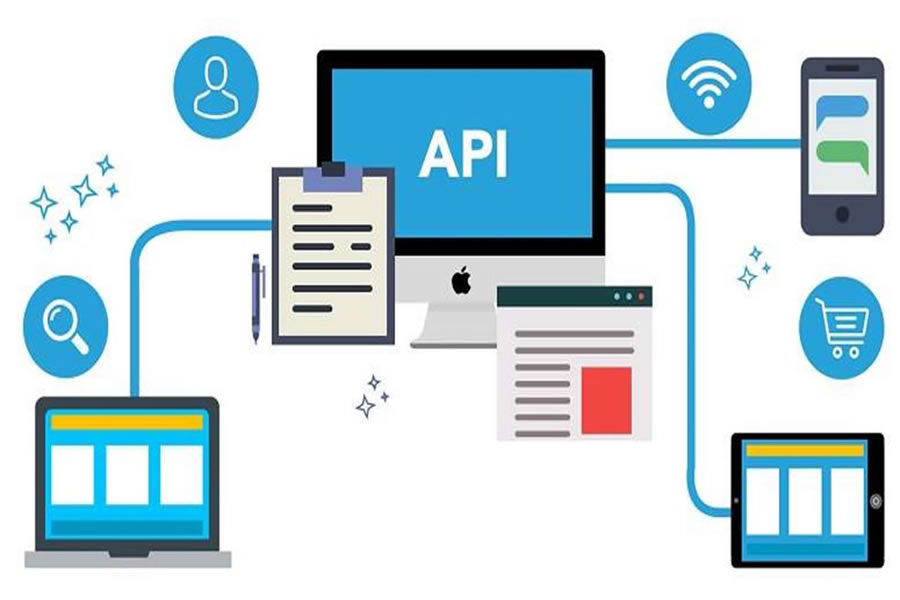
The Internet of Things is built on web APIs, which allow applications to connect and share data. These APIs enable programs running on diverse devices-from desktops and web browsers to mobile phones-to communicate seamlessly, regardless of their location.
Advantages of Web Application Programming Interfaces
Just like traditional APIs, web APIs allow programs to interact with each other. They handle requests from one program and send responses back to another. Because web APIs use internet protocols, they offer significant benefits but also present specific challenges.
Think about using Google Maps on your iPhone or depositing a check with your banking app. Behind the scenes, web APIs are making it all happen. They take what you ask for, send it to the right place, and get things done.
This new world has proven helpful for individual consumers, but it's even more beneficial for businesses. Before web APIs' existence, businesses had to provide physical access to data or business logic they wanted to share with consumers or other businesses. This hurdle often made it difficult for businesses to reach potential customers or collaborate with other vendors.
The Complexities of Web API Integration.
Although we may have given the impression that web APIs are easily understood, this is an oversimplification. A few key assumptions, previously unaddressed, are fundamental to their operation.
Protocols are key to web API functionality. They standardize communication between diverse programs on the internet, enabling them to understand each other's requests and responses, regardless of the programming language used.
The problem is that just as there are many different programming languages, there are also as many protocols! One organization's APIs might be structured to transmit information using JSON-RPC or SOAP, while others use REST or XML. This isn't a problem if you want to access only one API. But it becomes problematic if, for example, you want to refine data using multiple APIs, which is a key benefit of sharing information over the Internet.
The integration of legacy systems with the Internet of Things presents ongoing challenges for numerous organizations. These organizations, established prior to the widespread adoption of web APIs, must carefully consider the implications of data and function sharing, particularly with regard to sensitive information. Furthermore, the transition from closed, localized systems to a global access model requires significant adaptation.
Although the Internet of Things offers examples of solutions to the issues described earlier, web APIs present their own set of complexities regarding understanding, creation, and deployment. This blog post explores some of these complexities.